Explores The Unique Requirements of Lithium Batteries in Consumer Electronics, Electric Vehicle Power Systems, and Energy Etorage Scenarios.
By HY-Megan
June 27th, 2025
452 views
In modern scientific and technological life, lithium batteries are everywhere, providing us with portable energy. Specifically, lithium batteries are divided into three categories based on their application: consumer lithium batteries, power lithium batteries, and energy storage lithium batteries, each of which is based on the evolution of lithium-ion battery technology. These categories correspond to different needs, with lithium iron phosphate batteries shining as a highly efficient variant in high-safety applications. In this blog, we'll take a deep dive into these faces, focusing specifically on the multiple advantages of lithium iron phosphate batteries.
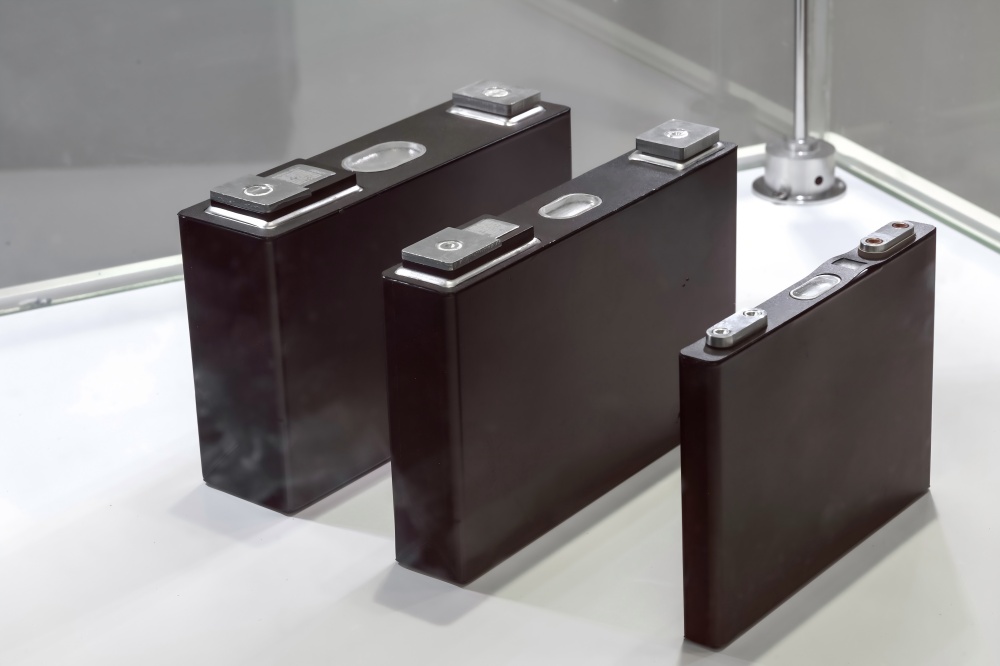
First, consumer lithium batteries are designed for portable devices such as smartphones and laptops. It emphasizes thin size, light weight, and high energy density to ensure that users enjoy longer use time. Lithium-ion batteries are common here, but their cycle life does not need to be super long, and safety requirements prioritize preventing overcharging or short circuits. Interestingly, although LFP batteries are not primarily used in the consumer sector because they are slightly larger, they perform well in safety tests - which highlights the overall potential of LFP batteries. However, users generally do not require extreme charging speeds or wide temperature adaptability like power applications, making standard lithium batteries such as LFP battery variants able to assist innovation here.
Second, power lithium batteries drive the electric vehicle industry and become the heart of automotive power. Here, requirements include high energy density to extend driving range, ultra-long cycle life to match vehicle life, and ultra-fast charging to reduce user waiting. LFP batteries are widely used in power lithium batteries because they provide unparalleled safety - for example, reducing risks in accidents. LFP batteries also perform well in an extremely wide temperature range, working reliably from hot to cold. The high power output characteristics of LFP batteries support vehicle acceleration requirements, making them an ideal choice. Lithium-ion batteries as a whole are constantly being optimized in the power sector, but LFP batteries are leading the safety revolution and gradually improving cost-effectiveness.
Finally, energy storage lithium batteries serve the power grid or renewable energy storage system. It requires ultra-long cycle life (tens of thousands of charge and discharge cycles), high safety standards (to avoid large-scale failures), low cost (due to large-scale deployment), simplified maintenance and high energy efficiency. Lithium iron phosphate batteries are absolutely the king in energy storage applications due to their durable design and low production cost - in fact, lithium iron phosphate batteries are now widely adopted in solar projects around the world. Lithium iron phosphate batteries provide a service life of up to ten years in this field, adapt to various climate conditions, and ensure that energy loss is minimized. Although the traditional form of lithium-ion batteries is applicable, the robust performance of lithium iron phosphate batteries makes it a mainstream solution for energy storage, and the example of lithium iron phosphate batteries confirms its transformative influence.
In summary, the three major applications of lithium batteries - consumption, power, and energy storage - highlight the diversity of lithium-ion batteries: consumption pursues portability, power emphasizes overall performance, and energy storage focuses on cost efficiency. Lithium iron phosphate batteries have repeatedly proved their value in key scenarios such as power and energy storage, driving technological progress. As demand grows, innovations in lithium iron phosphate batteries will dominate the frontiers of safety and life, and the story of lithium iron phosphate batteries inspires us to embrace a more sustainable future. Lithium iron phosphate batteries have appeared many times to prove their central role, and they are redefining industry standards.
Previous
The Strategic Benefits of LiFePO4 Energy Storage Batteries
Read More
Next
Why is The Square LFP Battery Aluminum Shell Positively Charged?
Read More