Are you looking to take control of your energy consumption and potentially save money on your electricity bill? Building your own DIY home energy storage system with lithium ion battery is a fantastic way to achieve energy independence and reduce your reliance on the grid. However, selecting the right lithium ion battery is crucial for the success and safety of your project. This blog post will guide you through the key considerations to ensure you choose the perfect battery for your needs.
Table of contents:
The Role of Inverters and BMS in DIY Lithium Ion Battery Systems
Key Factors to Consider When Selecting Lithium Ion Batteries for Home Storage
How DIY Energy Storage Can Save You Money with the Right Battery Setup
Inverters and Battery Management Systems (BMS) are indispensable components in any DIY lithium ion battery setup for home energy storage. The inverter converts the direct current (DC) power stored in the lithium ion battery into alternating current (AC) power, which is what most household appliances use. The BMS, on the other hand, acts as the brain of the battery system. It protects the lithium ion battery from overcharging, over-discharging, excessive current draw, and temperature extremes, ensuring its longevity and safe operation. Many advanced BMS also include active balancing features, like the JK-BMS found in some 48V 16S 51.2V DIY unit box solutions, which equalize the charge levels across all cells in the battery pack, further optimizing performance and extending lifespan.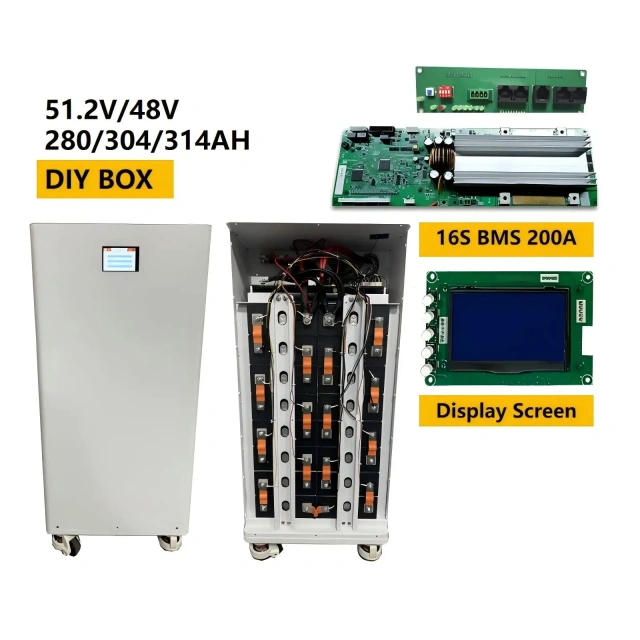
Choosing the right lithium ion battery involves considering several crucial factors. First, you need to determine the required voltage and capacity based on your energy needs. Consider the total energy consumption of your household and how much you want to offset with your battery system. Then, evaluate the battery's cycle life – the number of charge and discharge cycles it can withstand before its performance degrades significantly. Look for batteries with high cycle life ratings for long-term reliability. Safety is paramount, so prioritize batteries with robust safety features and certifications. Finally, consider the battery's size and form factor to ensure it fits within your available space. Stackable designs, like those found in some 10-15kWh 16S LFP battery packs, offer flexibility and scalability.
Implementing a DIY energy storage system powered by lithium ion batteries can lead to significant cost savings in the long run. By storing energy during off-peak hours, when electricity rates are lower, you can use that stored energy during peak hours, avoiding the higher peak rates. This is especially beneficial in areas with time-of-use (TOU) billing. Furthermore, if you have solar panels, you can store excess solar energy generated during the day and use it at night, maximizing your solar energy utilization and reducing your reliance on the grid. Over time, the savings on your electricity bill can offset the initial investment in the battery system, making it a cost-effective solution for energy management. Selecting a robust and efficient lithium ion battery, coupled with a reliable inverter and BMS, will maximize these savings and ensure the long-term viability of your DIY home energy storage project.
In conclusion, building a DIY home energy storage system with lithium ion battery technology offers a compelling solution for energy independence and cost savings. By carefully considering the role of inverters and BMS, evaluating key battery factors like capacity, cycle life, and safety, and understanding how energy storage can optimize your energy consumption, you can make informed decisions and choose the right battery for your specific needs. Don't hesitate to research different options, compare specifications, and seek advice from experts to ensure a successful and rewarding DIY energy storage journey. Take charge of your energy future and start exploring the possibilities of lithium ion battery powered home energy storage today!