In the last video, I mentioned the advantages and disadvantages of lithium iron phosphate and ternary lithium batteries. The sixth point said that the consistency of lithium iron phosphate is poor. Many friends cannot understand this point of view. Today's video is mainly to simply explain this point of view: the poor consistency of lithium iron phosphate is compared with ternary lithium batteries. The main reason is due to the influence of the physical and chemical properties of the material itself.
1. Analysis of the reasons why lithium iron phosphate batteries have poorer consistency than ternary lithium batteries:
(1).The characteristics of the voltage platform.
 First, let's look at the charge and discharge curves of ternary lithium batteries and lithium iron phosphate. From this curve, it can be clearly seen that 80% of the capacity of lithium iron phosphate is between 3.2v-3.3V. The difficulty in SOC estimation makes it difficult for BMS to accurately judge the capacity difference between cells through voltage, which makes it easy to overcharge or undercharge a single cell, and requires frequent scene voltage balancing. Compared with ternary lithium batteries, the voltage curve shows obvious linear changes, and the percentage correspondence between voltage and capacity is clear. It is easier for BMS to accurately manage the state of the cell and the consistency is better.(2).This needs to be analyzed from a chemical perspective.
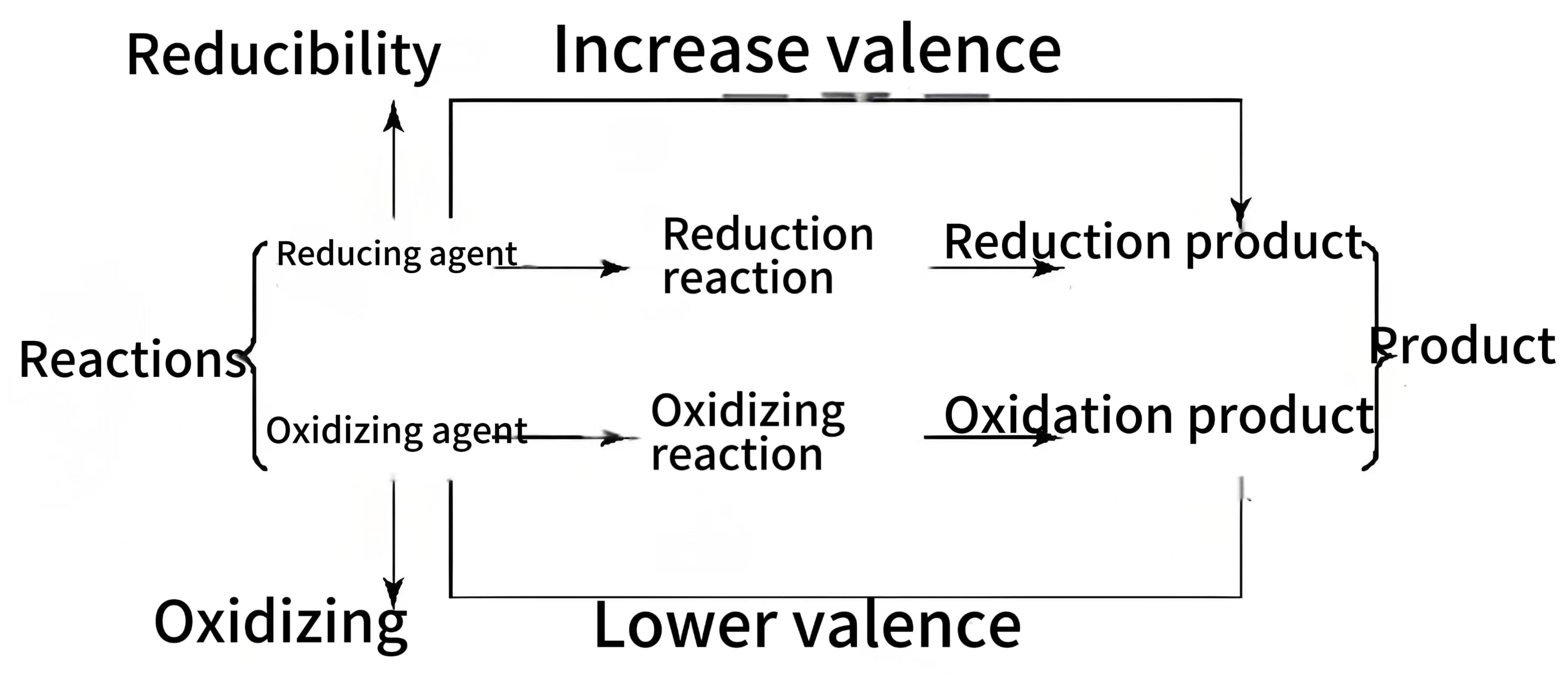
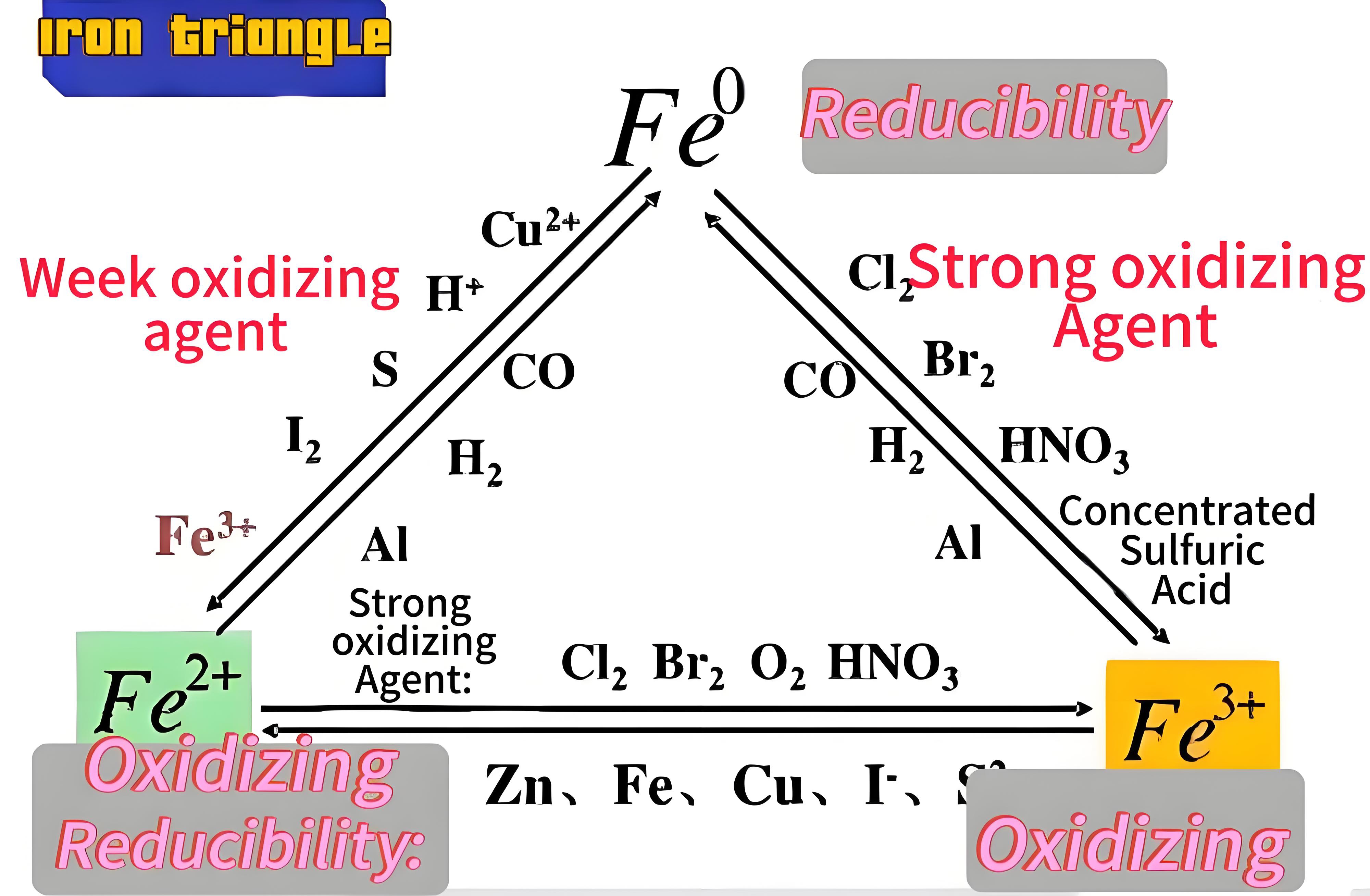
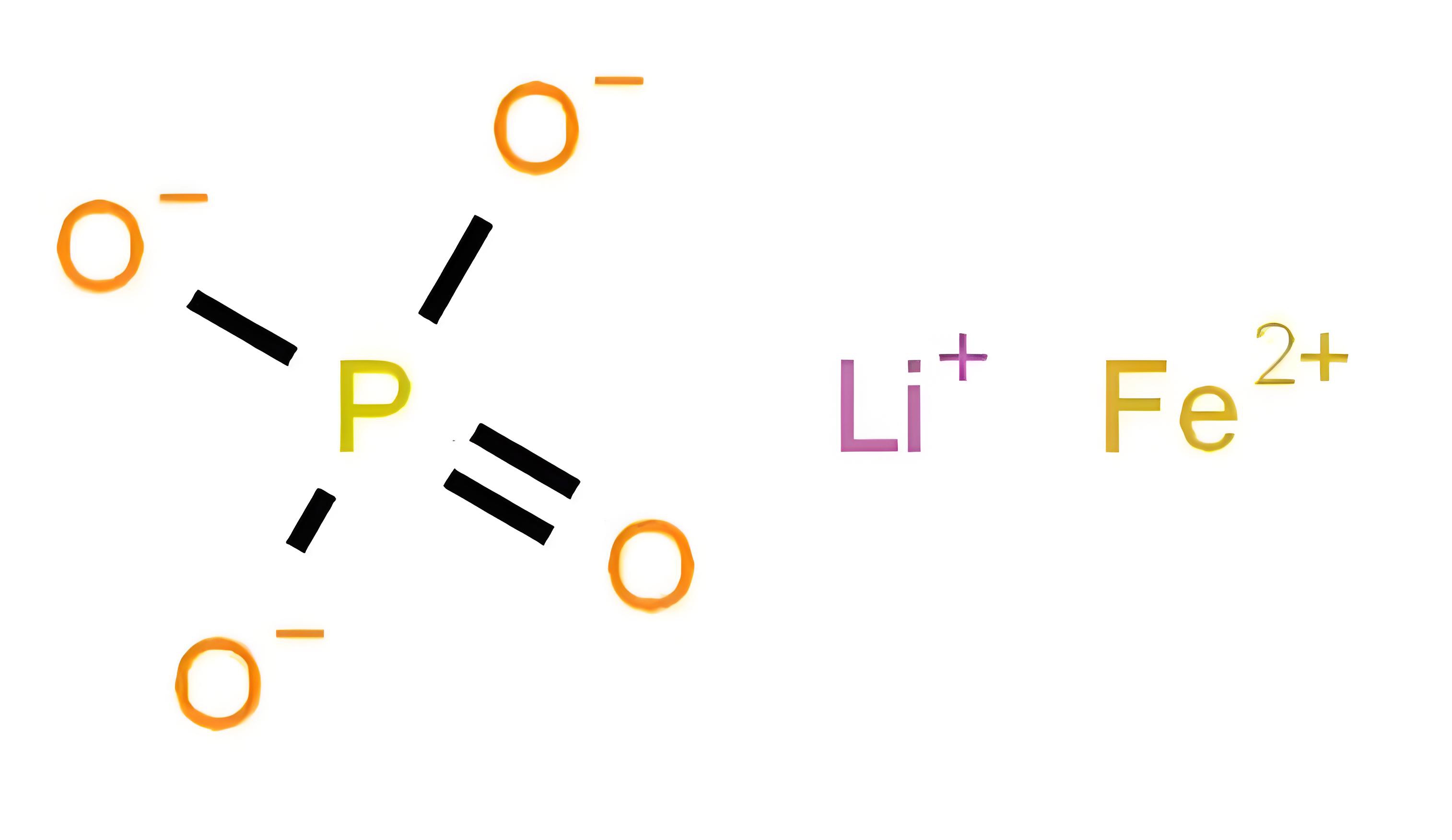
The ternary lithium battery is composed of the oxides of three metal elements: nickel, cobalt and manganese. The manufacturing process of the positive electrode material is an oxidation reaction, and it is a product of the chemically completed state. The oxidation reaction is very thorough, the oxide purity is very high, and there are no impurities, so the battery has a high yield rate and good consistency, and there is no difference between batches of batteries.Then let's look at lithium iron phosphate. Its chemical name should be lithium ferrous phosphate, and the iron element in it is divalent iron. The positive electrode lithium iron phosphate is produced by a reduction reaction. The trivalent iron ions in the material must be reduced to divalent iron ions. At this time, a problem will arise. If the reduction is too much, iron will be generated. The presence of metallic iron inside the battery is a taboo, which will cause a local short circuit inside the battery, not only reducing the capacity, but also increasing the heat generation. If the reduction reaction is not sufficient, trivalent iron will exist, the proportion of lithium iron phosphate in the positive electrode material will decrease, and the battery capacity will be insufficient, so the degree of this reduction reaction is difficult to grasp. The parameters of lithium iron phosphate batteries produced in different batches vary greatly, so the consistency will be poor. Even in the same batch, there will be different positions in the reactor and different degrees of reduction reaction, so the consistency of the batteries in the same batch is also poor. This is the uncertainty of production, which leads to poor consistency, and it is difficult to avoid, a bit like relying on luck.
(3).From the follow-up customer complaints about our sales of ternary and iron lithium.
I sold CATL's NMC and lifepo4 B products 5 years ago.From the customer feedback, NMC has not had any customer feedback on excessive pressure difference so far, and lifepo4 B products are very easy to happen. A products will also have excessive pressure difference, but the probability is lower than that of B products.
The above are the reasons for poor consistency. Of course, we all know the advantages of lithium iron phosphate batteries, such as safety, cheapness, and long life.
2. So how should we solve the problem of poor consistency?
(1).First of all, I recommend that you use A-grade battery cells from major brands that have been on the market for a long time and have been verified by the market.
(2).Second, use BMS balancing management to reduce the voltage difference of single battery cells through active or passive balancing. For example, the energy of charging high-voltage battery cells is transferred to low-voltage battery cells to extend the overall capacity.
(3).Third, regularly fully charge the battery and calibrate the BMS to avoid long-term shallow charging and discharging, properly control the SOC range, and reduce the power deviation caused by internal resistance differences.
(4).The last point is to pay attention to the impact of low temperature. Low temperature will aggravate the error of capacity and SOC measurement, and it is necessary to combine the thermal management system to control the temperature difference.
Well, the above is a general content about the consistency of lithium iron phosphate. I hope it can help you. If you want to know more, please leave me a message.
Welcome to contact us:
WhatsApp/Wechat/Mobile: +86 14704451321
Email: support@szxhbattery.com
Website: www.szxhbattery.com