We take quality seriously, and this batch took no shortcuts. Before dispatch, every cell had its own QR code verified and went through a full visual inspection. Only units that came out of that check looking flawless were cleared to go to the customer and allowed into the packing line. Any cell with a cosmetic flaw or a visible defect was pulled out on the spot.
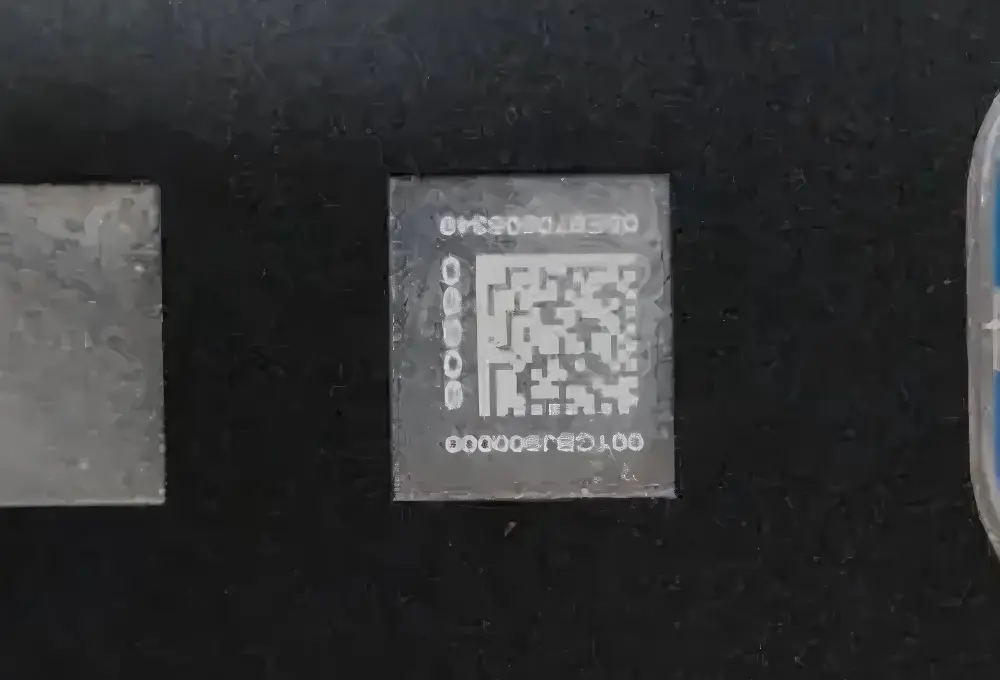

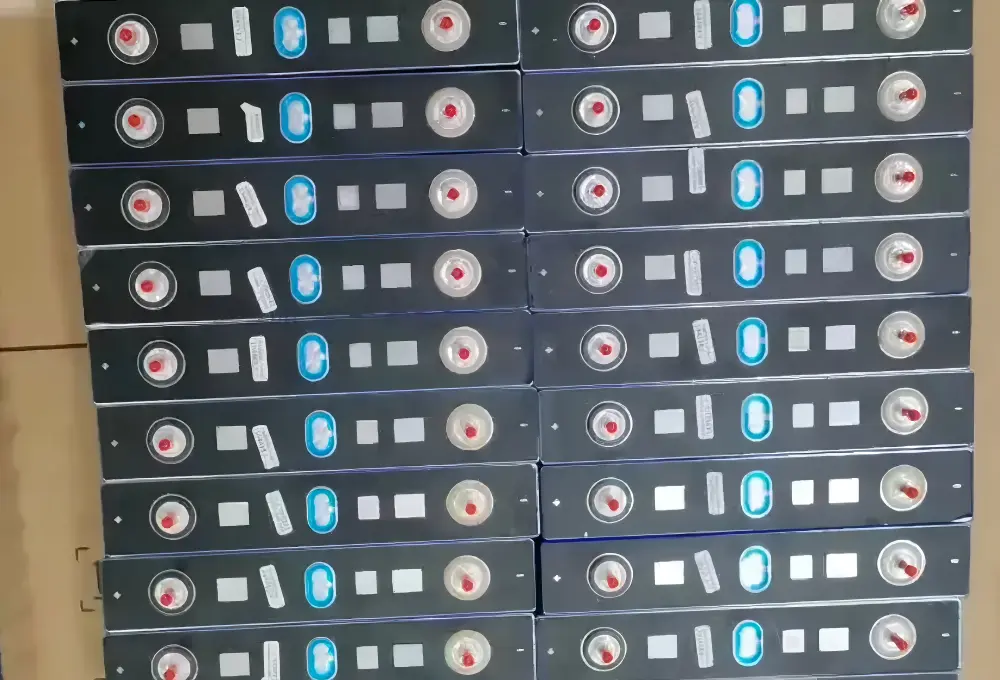
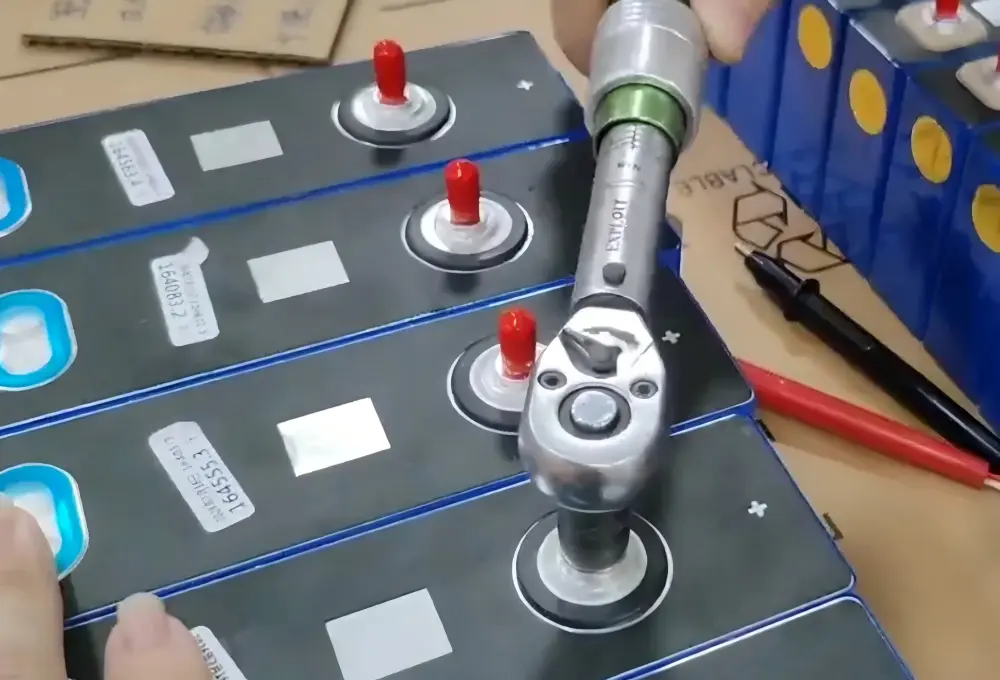
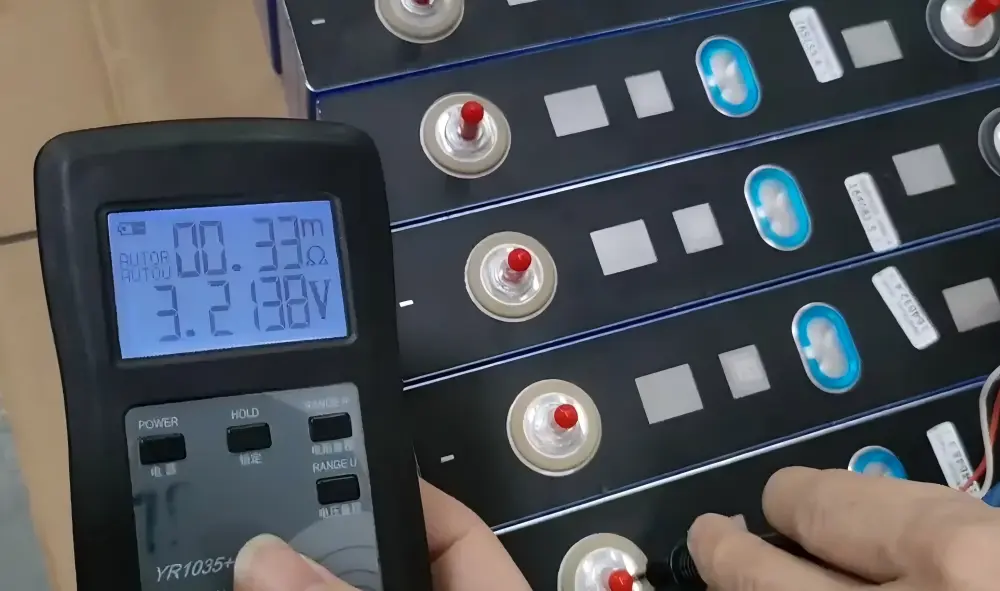
Cells that cleared the visual check were then measured one by one for voltage, internal resistance and terminal torque, with every reading tied to the QR code on that cell.
Voltage is about consistency. The wider the spread inside a batch, the harder the BMS has to work balancing once the pack is assembled. Internal resistance is about heat, since a cell with elevated resistance runs hotter under load and ages faster than its neighbours. Torque is about the connection, too loose and the joint works free with contact resistance climbing, too tight and the thread is damaged, and both faults usually only show up after the system is energised.
What this means for the buyer is simple. The cells can go into a battery energy storage system on site and run steadily, without rework, fault tracing or waiting on replacements because of a few problem units. Commissioning windows on commercial and industrial storage and home battery storage projects are tight, and inconsistency between cells usually costs more than the price difference ever saves.
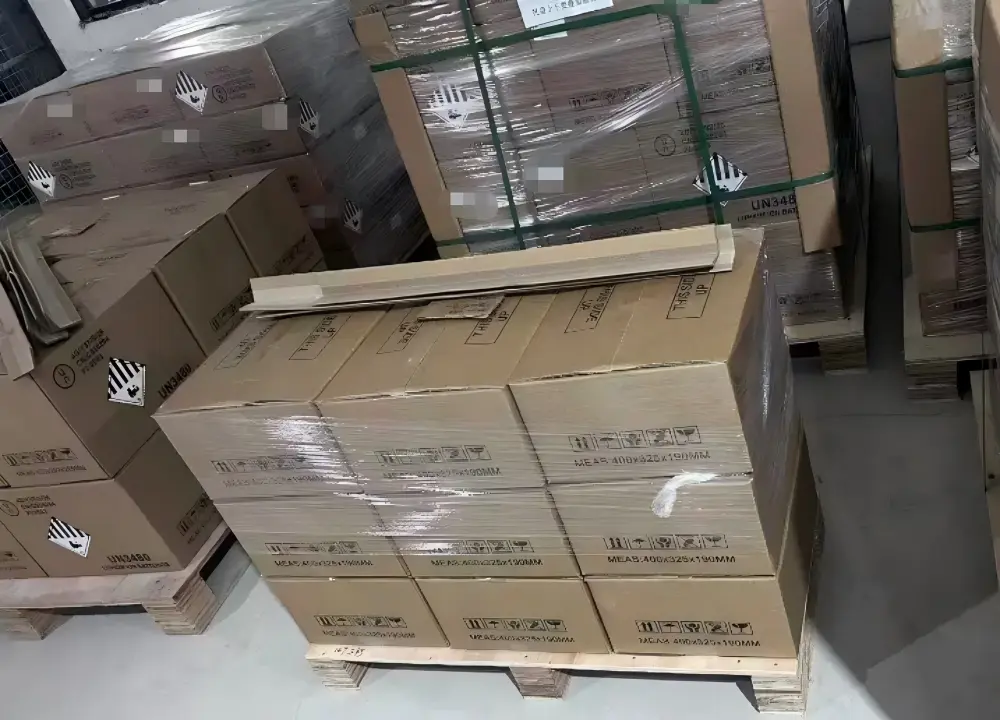
Layered cushioning, compartmentalised fixing, reinforced cartons, sealed and labelled. What sits inside the box is what we want you to see when you open it, intact and undamaged.
Ready to power your energy systems with the best in the industry?
Contact us today to get the latest pricing and discuss your needs with our team!