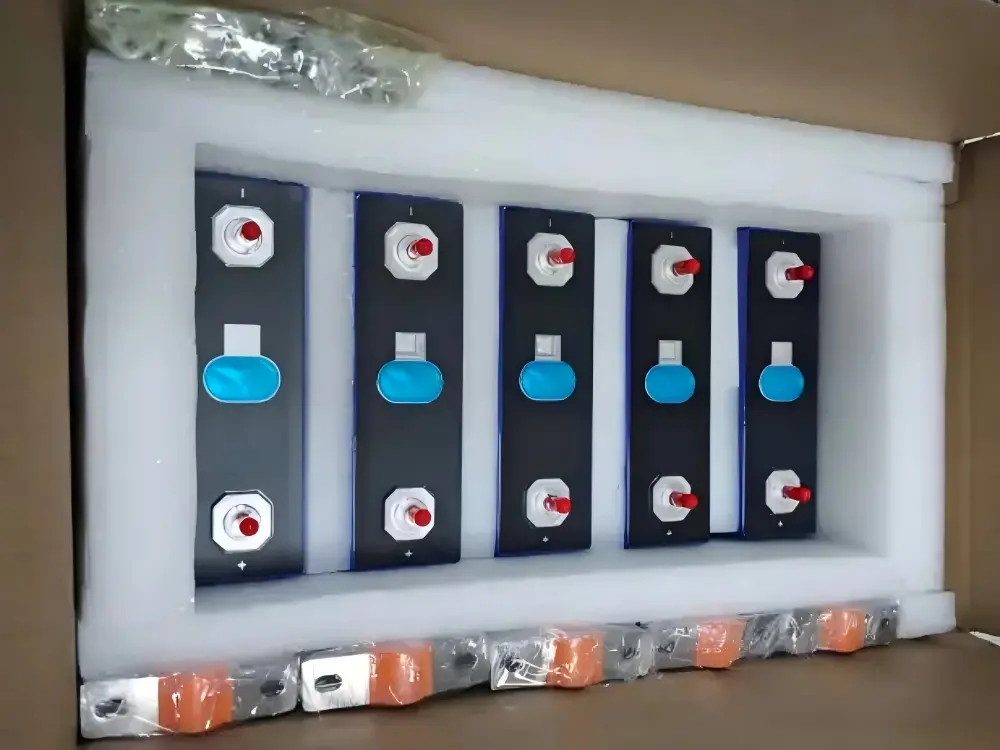
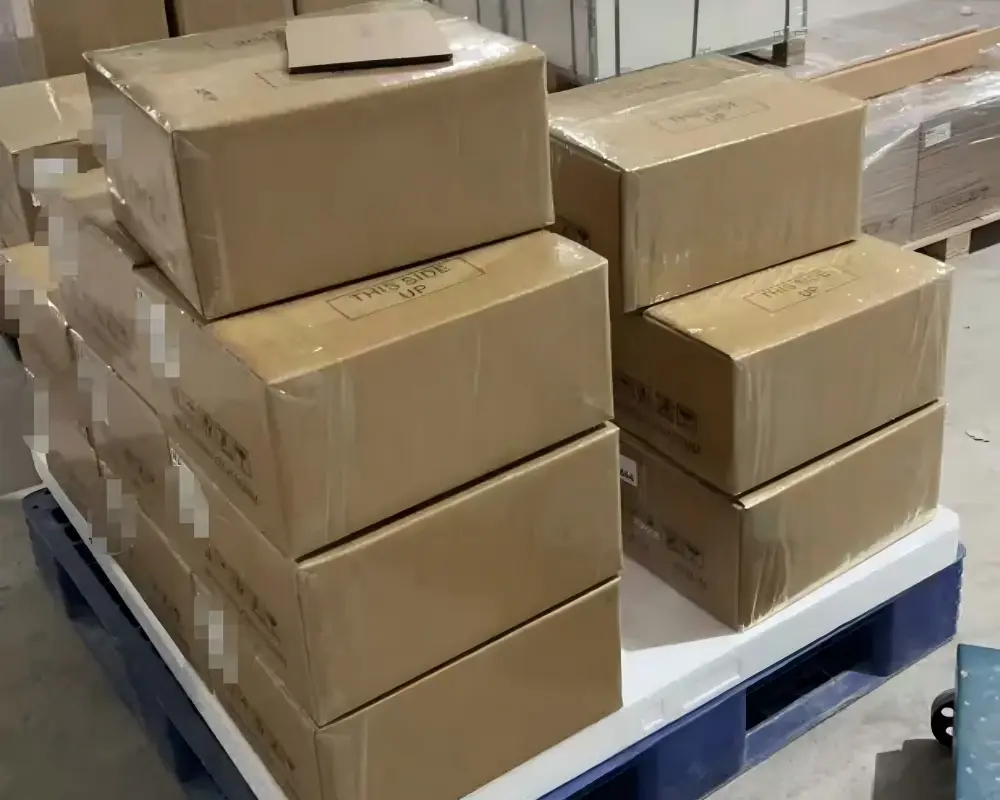
Today, a batch of EVE 3.2V 230Ah LiFePO4 cells left for Australia. A 230Ah cell carries real weight, and how it sits inside the carton, and what it rests on, largely decides what the client sees on opening day.
Each cell gets its own position, cushioning goes between layers, clearance is left at the walls, and moisture protection wraps the whole thing. Onto the pallet, film around it, straps over it, with no step skipped. Written down, this takes three lines; done properly, it takes half a day. Worth it. We would rather the client opens a complete batch than a set of photos for a damage claim.
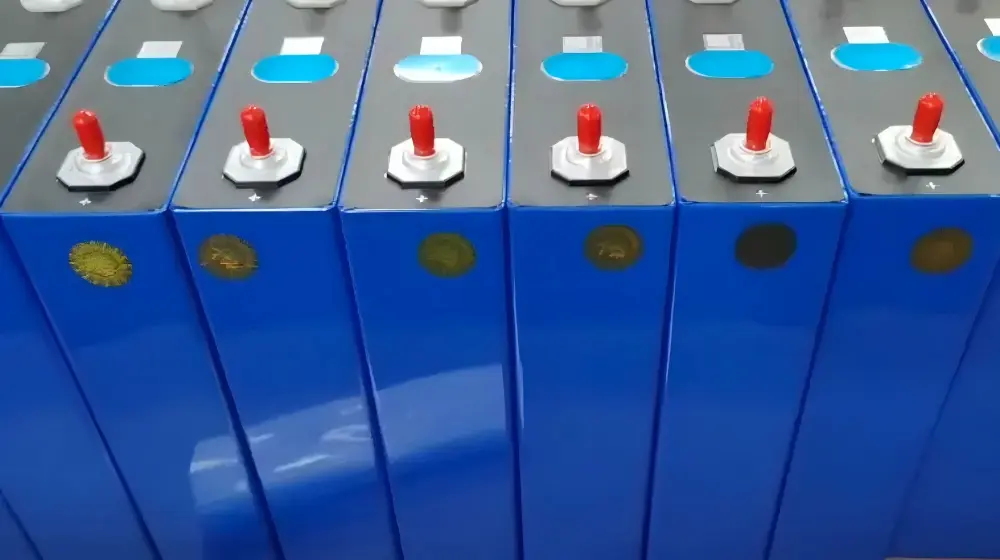
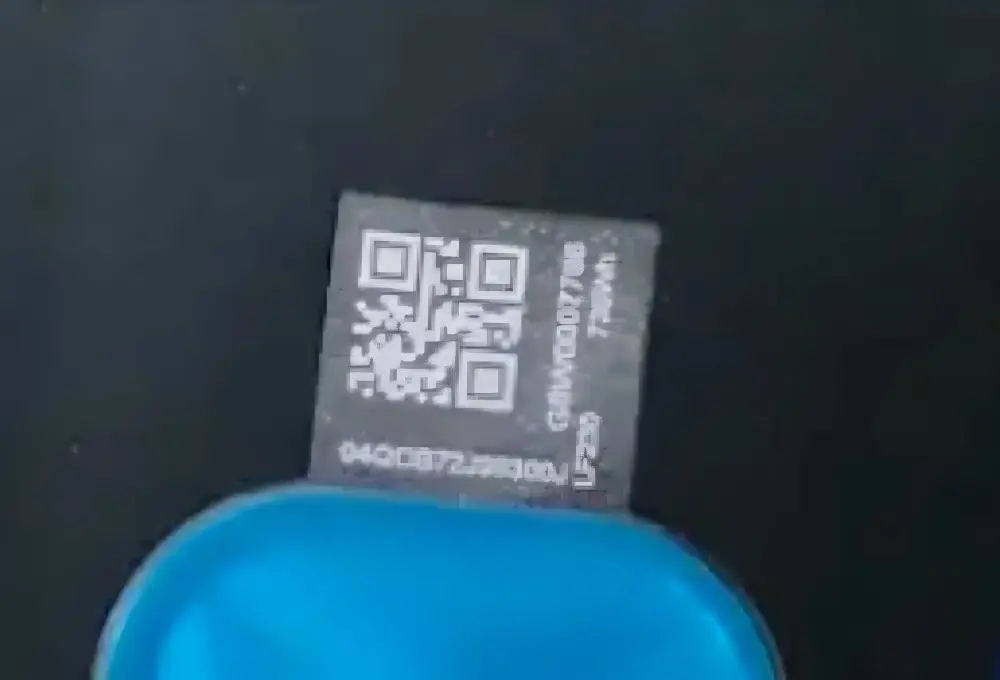
 Every cell carries a clear QR code, printed sharp and unbroken, and a scan returns that cell's batch and date. Before packing, each unit goes through a visual pass: no dents or swelling on the shell, no scratches or residue around the terminals, sleeving intact. Anything that looks questionable is pulled out and stays out.
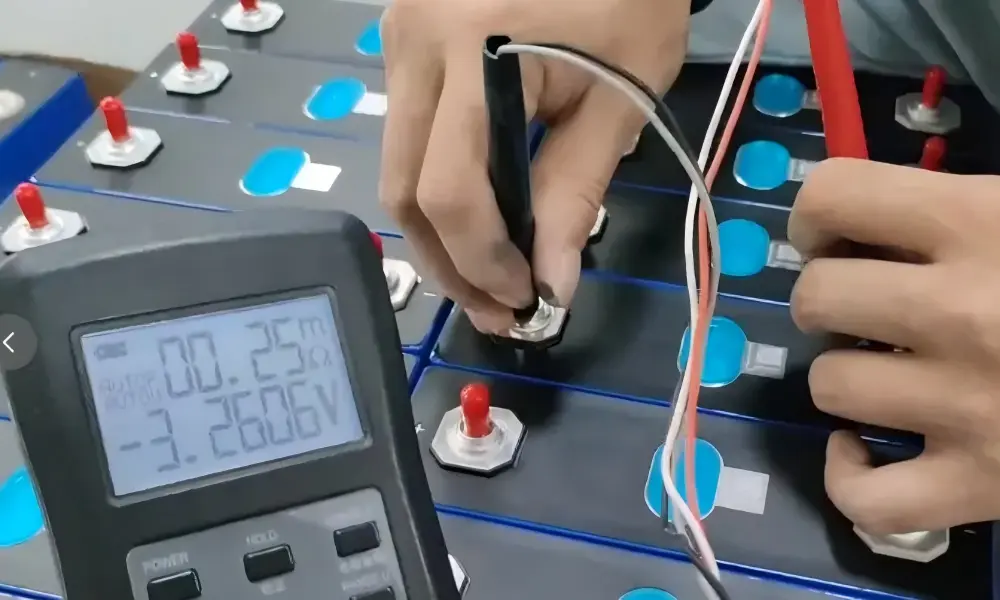
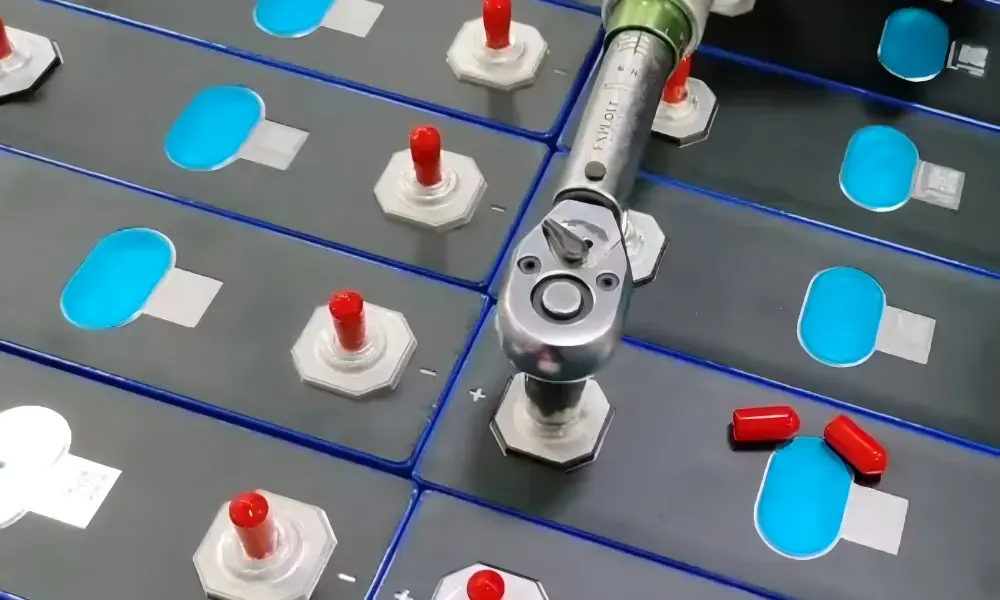
 Voltage, internal resistance and terminal torque are measured cell by cell, and the readings are written down and travel with the goods. Each reading answers one question: voltage shows how consistent this batch is, resistance shows how the cells behave under load, and torque shows whether the connection is really made. At 230Ah, a single cell's deviation gets magnified once the pack is built, and a terminal left loose creeps under vibration until contact resistance climbs. Both faults wait until the system is energised to show up. So we spend a few extra minutes at the bench and keep the problems here.
Shipment details
- Products: EVE 3.2V 230Ah LiFePO4 cells
- Packing: position-fixed cells, layered cushioning, moisture barrier, strapped pallet
- Testing: QR verification, full visual inspection, voltage and resistance per cell
- Logistics: by ocean freight
Ready to power your energy systems with the best in the industry?
Contact us today to get the latest pricing and discuss your needs with our team!