Today a batch of EVE 3.7V 59Ah NMC cells cleared inspection and packing, went into cushioned trays with layered protection and reinforced cartons, was sealed and labelled, and is now scheduled out on the US route. Before the cartons closed, every cell had already been through a round of checks. Here is how.
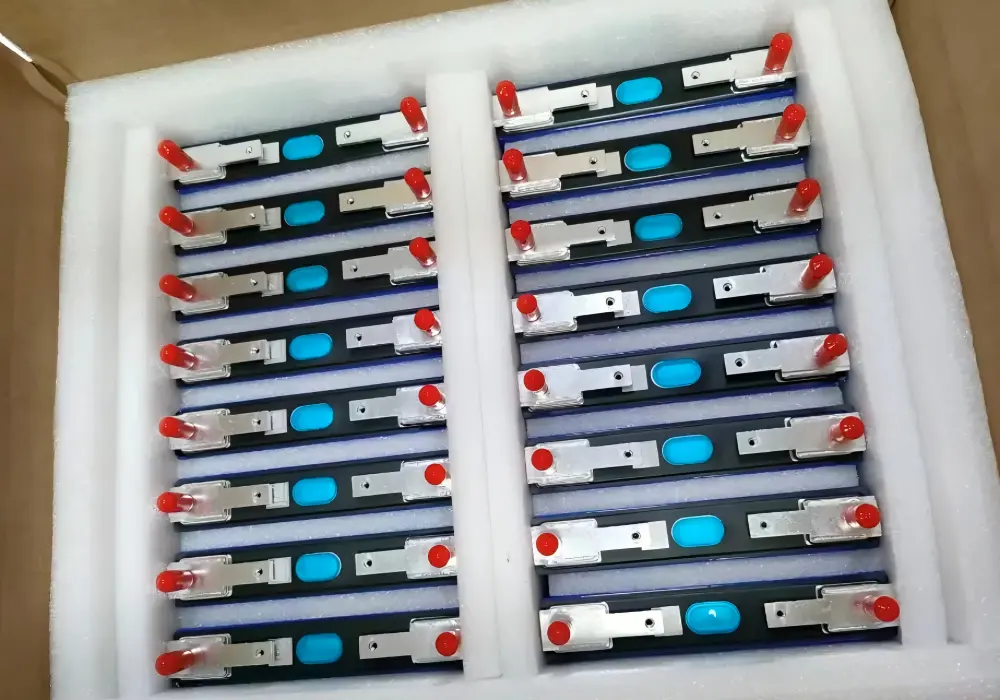
Each cell was handled individually under light and checked for dents, scratches, edge deformation and residue around the terminals.
On an NMC cell the aluminium shell is the first line of defence. Energy density is high and the internal electrode stack sits close to the wall, so an impact that leaves a visible mark outside has already travelled inward. Any cell with a visible flaw was pulled from the batch and did not enter the tray, no matter how well it measured electrically.
Terminals were confirmed clean as well. Oxidation or contamination on the contact surface becomes contact resistance later, and contact resistance becomes heat.


Voltage spread sets the workload for the BMS. The wider it runs, the more often balancing has to work and the less usable capacity remains. Internal resistance decides heat, and a cell running hotter under load ages faster than its neighbours, while a pack is only as strong as its weakest cell. Torque governs connection reliability. Too little and the joint loosens with contact resistance climbing, too much and the thread is damaged, and both faults tend to appear only after the system is energised.


Ready to power your energy systems with the best in the industry?
Contact us today to get the latest pricing and discuss your needs with our team!