If you're sourcing batteries for electric vehicles, energy storage systems, or industrial equipment, you've probably asked: what is a nmc battery and why is it becoming the preferred choice for so many businesses?
NMC battery stands for Nickel Manganese Cobalt battery – it's one of the most popular lithium-ion battery chemistries on the market today. Unlike other battery types, the lithium nickel manganese cobalt battery balances high energy density, excellent power output, and reliable cycle life – making it perfect for B2B applications where performance matters.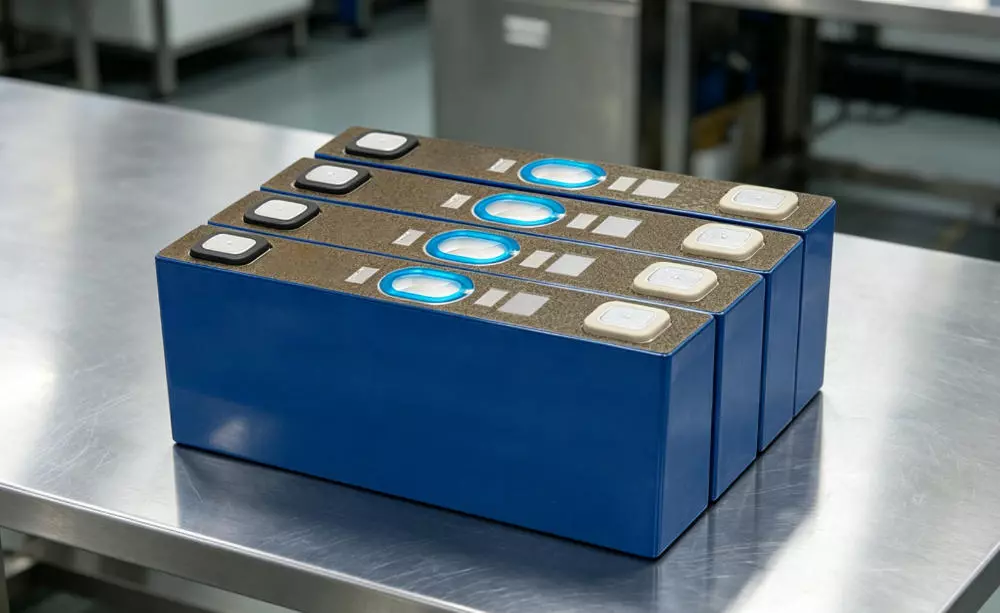
Let's break down the nmc battery chemistry in simple terms. Every nmc lithium ion battery uses a cathode made from three key materials: nickel, manganese, and cobalt. The magic happens in how we mix these three elements – different ratios create completely different performance characteristics.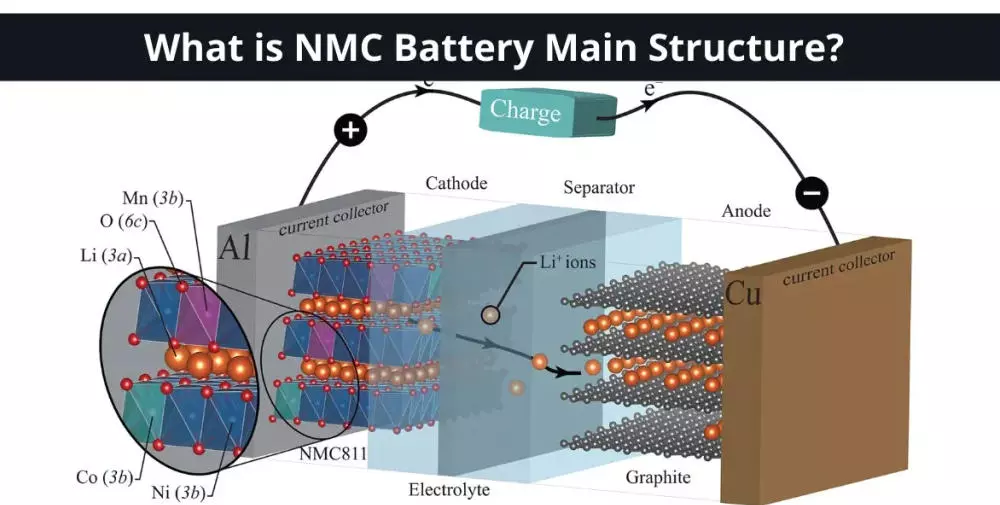
The lithium cobalt manganese battery formula has been refined over decades to deliver the perfect balance for commercial use. Whether you need a battery lithium nmc for your EV fleet or backup power systems, this chemistry delivers consistent results.
One of the biggest advantages of NMC technology is the flexibility to adjust the material ratios. Let's look at the four most common types you'll encounter when sourcing nmc cell products:
The nmc 111 battery uses equal parts (1:1:1 ratio) of nickel, manganese, and cobalt. This is the original NMC formulation and offers:
If you're looking for a reliable workhorse battery that won't surprise you, nmc 111 is still a solid choice for many industrial applications.
The nmc 532 battery shifts the ratio to 50% nickel, 30% manganese, 20% cobalt. This is the sweet spot for many businesses:
Most lithium ion nmc battery products on the market today use this 532 ratio – it's proven, cost-effective, and delivers great all-around performance.
The nmc 622 battery (and its spelling variant ncm 622 battery) uses 60% nickel, 20% manganese, 20% cobalt:
If your application requires maximum range without sacrificing too much on cycle life, the nmc 622 battery is an excellent choice for your business.
The nmc 811 battery (often referenced as 811 nmc in technical discussions) represents the latest in NMC technology with 80% nickel, 10% manganese, 10% cobalt:
Major manufacturers like CATL have invested heavily in this technology – catl nmc 811 batteries are powering many of the latest electric vehicles on the road. When you see catl nmc specifications, they're often referring to these high-nickel 811 formulations.
Now that you understand nmc battery meaning and the different types available, let's look at why so many B2B buyers choose NMC over other chemistries:
The biggest advantage of any nickel cobalt manganese battery is its exceptional energy density. A typical battery nmc 3.7v 100ah can store significantly more energy than similarly sized LFP batteries – this means:
Unlike some high-energy chemistries that sacrifice power, lithium ion nmc cell technology delivers both:
While nmc battery fire risk is a common concern, modern lithium ion battery nmc with proper Battery Management Systems (BMS) are extremely safe. The manganese in the chemistry provides inherent thermal stability, and quality manufacturers add multiple safety layers.
Proper nmc battery charging practices will significantly extend the life of your battery investment:
1.Use recommended chargers: Always use chargers designed for your specific battery voltage
2.Avoid extreme temperatures: Charge between 0°C and 45°C for best results
3.Don't overcharge: Quality BMS systems prevent this, but it's good practice to monitor
4.Partial charging is fine: Unlike old NiCd batteries, lithium NMC batteries prefer partial charges
Following these guidelines will help you get the maximum value from your nmc battery cell investment.
A common question we hear: nmc battery vs lifepo4 – which should I choose? The answer depends on your priorities:
Choose NMC if you need:
Choose LFP if you prioritize:
Both lfp and nmc battery technologies have their place – many businesses actually use both for different applications. The key is matching the chemistry to your specific use case.
When looking for nmc battery for sale for your business, here's what to consider:
Nmc battery price varies based on:
As a general rule, expect to pay a premium for high-nickel formulations, but the energy density benefits often justify the investment for the right applications.
For business buyers, working with established nmc battery manufacturers is critical. Look for:
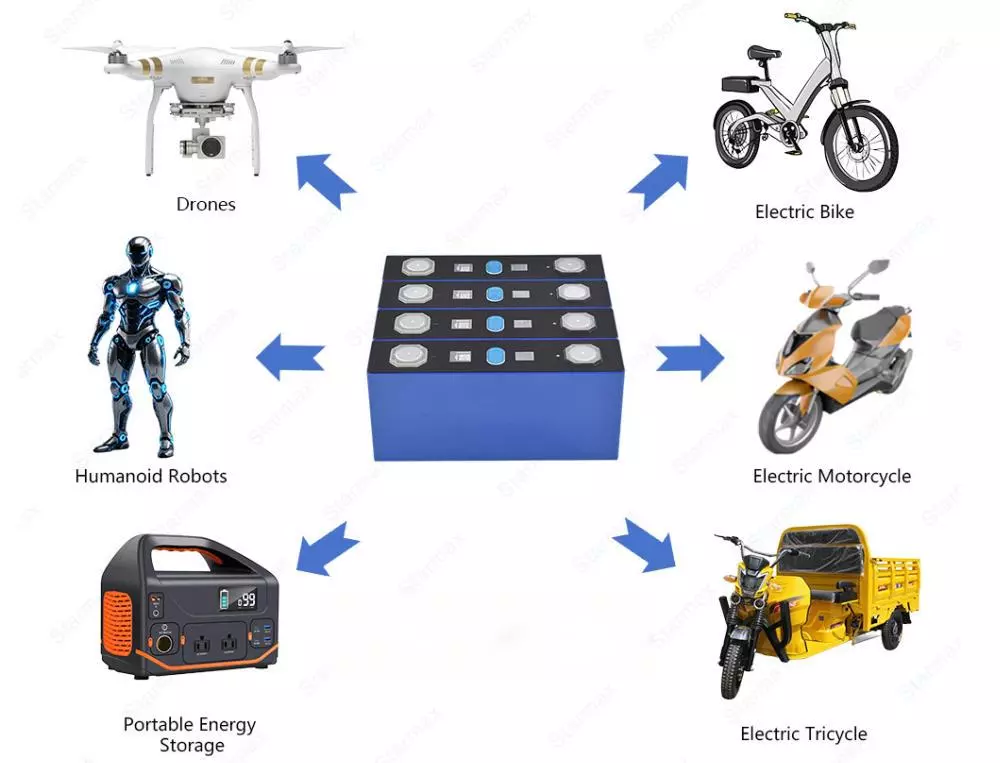
The versatility of NMC technology makes it suitable for countless commercial applications:
A1: Yes! Ncm battery is just a different ordering of the same materials – Nickel Cobalt Manganese instead of Nickel Manganese Cobalt. The chemistry is identical. Similarly, catl ncm battery refers to CATL's NMC/NCM products. Li ncm battery is another common variant you might see in technical documents.
A2: Most NMC cells operate at a nominal nmc cell voltage of 3.6V-3.7V, with a full charge voltage of 4.2V. This is standard across the industry.