Case Details
Project Overview
|
Item
|
Details
|
|
Client Name
|
John
|
|
Location
|
United States
|
|
Product
|
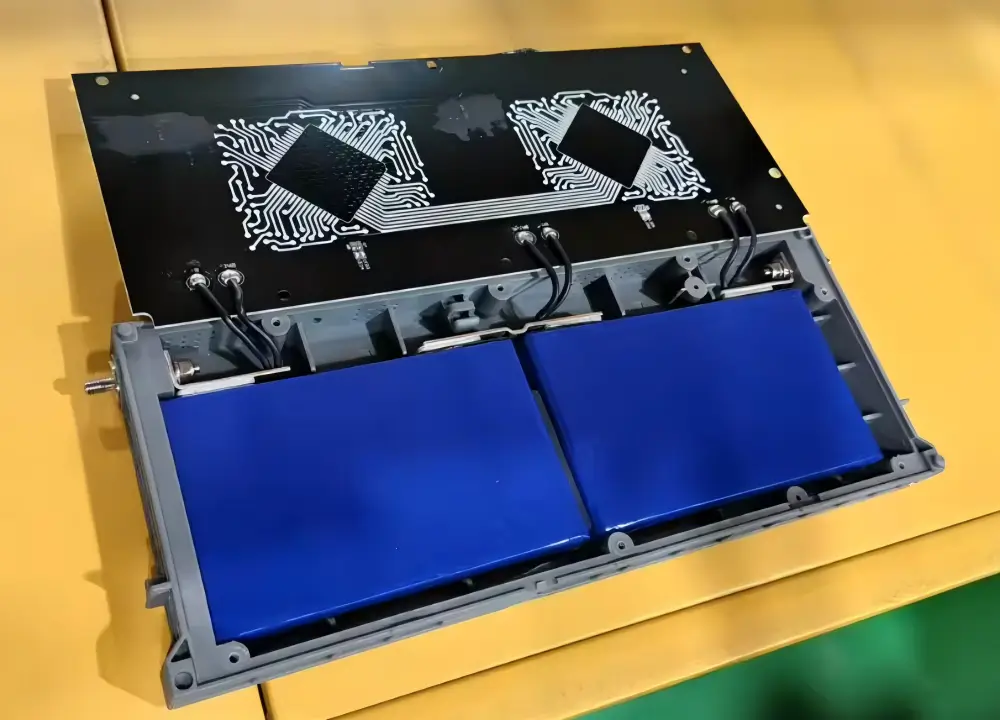
Sunwoda 6.2Ah High-Rate NMC Pouch Cells (56-cell custom pack)
|
|
Brand
|
Sunwoda
|
|
Manufacturer
|
Shenzhen Starnax Energy Technology Co., Ltd.
|
|
Application Scenario
|
Toyota Prius Hybrid Electric Vehicle (HEV) Battery Replacement
|
Executive Summary
This case study documents a successful HEV battery replacement project, where the client John upgraded the aging nickel-metal hydride (NiMH) battery pack in his Toyota Prius with a custom 56-cell pack built from Sunwoda 6.2Ah high-rate NMC lithium-ion cells.
The original NiMH pack suffered from severe capacity fade, high internal resistance, and unreliable performance, leading to reduced fuel economy, poor acceleration, and recurring hybrid system fault codes. By switching to Sunwoda’s high-rate lithium cells, the project delivered a dramatic improvement in power delivery, energy efficiency, and long-term reliability—all while offering a cost-effective alternative to OEM replacement packs. The solution validated Sunwoda cells’ ability to meet the demanding discharge, thermal, and cycle-life requirements of hybrid electric vehicles.
Challenges
- Severe Degradation of the OEM NiMH Pack
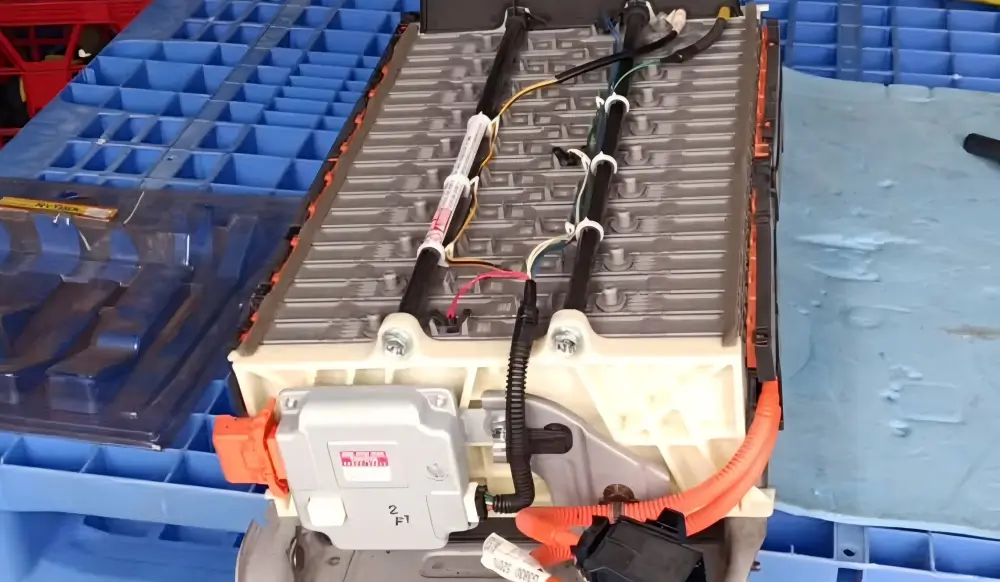
The 15+ year-old original battery pack had lost over 40% of its rated capacity, with individual modules showing significant imbalance and high internal resistance. This led to frequent engine cycling, sluggish acceleration, and a sharp increase in fuel consumption.
- Demanding Discharge Requirements for HEV Operation
Hybrid systems require the battery to deliver high instantaneous discharge currents during acceleration and regenerative braking during deceleration. The aging NiMH cells could no longer meet these demands, triggering system faults and limp-home modes.
- Compatibility and Safety Concerns
The replacement pack needed to fit the original battery enclosure without major modifications, match the system’s voltage range, and maintain cell-to-cell consistency to avoid overheating or premature failure. Lithium-ion cells also required proper protection against overcharge, over-discharge, and over-current events.
- Cost and Reliability of Third-Party Solutions
OEM replacement packs were prohibitively expensive, and many third-party lithium cells suffered from poor quality control, low discharge rates, and short lifespans, leading to inconsistent performance and safety risks.
Solution: Custom 56-Cell Pack with Sunwoda 6.2Ah High-Rate Cells
John selected Sunwoda’s 6.2Ah high-rate NMC pouch cells for the replacement pack, leveraging their exceptional performance and specifications tailored to high-discharge applications.
Core Cell Advantages
- High-Rate Discharge Capability: The cells deliver a 40C continuous discharge rateand a peak 70C pulse discharge rate, easily meeting the Prius’s high-current demands for acceleration and regenerative braking.
- Low Internal Resistance & High Consistency: With a measured internal resistance of ~0.8 mΩ, the cells minimize heat generation during high-current operation. Every cell is factory-screened for matched voltage, capacity, and resistance to ensure pack-wide balance.
- Reliable Capacity & Voltage:
- Nominal capacity: 6.2Ah (actual tested capacity ~6.5Ah)
- Nominal voltage: 3.7V (4.2V fully charged, 2.7V discharge cutoff)
- The custom 56-cell pack configuration maintains the system-compatible voltage range required for the Prius’s hybrid control unit.
- Physical Fit: The compact dimensions (123mm × 75mm × 12mm) allow seamless integration into the original battery enclosure, preserving factory fitment and thermal management.
- Safety & Compatibility: As NMC lithium-ion cells, they are paired with a dedicated lithium BMS (Battery Management System) and protection board to prevent overcharge, over-discharge, and thermal runaway, fully compliant with lithium-ion safety standards.
Implementation & Results
Implementation Process
1.Pack Design & Assembly:
- The 56 Sunwoda cells were configured to match the Prius’s original series/parallel architecture, using pre-fitted connection tabs, bus bars, and insulating epoxy boards.
- Cells were carefully matched for voltage, capacity, and resistance to ensure uniform performance across the pack.
- A lithium-specific BMS was integrated to monitor cell voltages, temperatures, and balance the pack during charge and discharge cycles.
2.Integration & Testing:
- The custom pack was installed in the original battery housing, with wiring and mounting modified only as needed for the new BMS.
- Post-installation testing included system calibration, fault code clearing, and real-world road testing to validate performance under load.
Project Results
1.Restored & Improved Performance:Acceleration response was significantly sharper, with no more hesitation or engine over-revving during takeoff.Hybrid system fault codes were permanently eliminated, and the vehicle operated normally in all drive modes.2.Improved Fuel Efficiency:The restored battery capacity and discharge performance allowed the Prius to rely more on electric-only operation at low speeds, resulting in a 12–18% improvement in combined fuel economy.3.Enhanced Durability & Consistency:The low-resistance Sunwoda cells ran significantly cooler than the old NiMH modules, even during repeated high-load cycles, reducing thermal stress and extending pack life.Cell balance remained stable over weeks of use, eliminating the need for frequent rebalancing common with low-quality lithium packs.4.Cost-Effective Long-Term Solution:The custom Sunwoda pack cost a fraction of an OEM NiMH replacement, with the added benefit of lithium-ion’s superior cycle life and resistance to degradation.
FAQ
Q1: Can I replace the OEM NiMH battery on a Toyota Prius with a custom lithium ion battery pack?
A: Yes. It is feasible to swap the aged original NiMH unit with a custom 56‑cell high‑rate NMC pouch cell pack for Toyota Prius HEV replacement. Proper cell selection, matched series‑parallel configuration, dedicated lithium BMS, and cell consistency screening are critical prerequisites. This project proves high‑power lithium cells can fit the original battery housing, clear hybrid fault codes and restore normal vehicle operation without extensive car body modifications.
Q2: What are the key requirements for lithium cells used in Toyota Prius HEV battery retrofit?
A: HEV hybrid batteries face frequent high current discharge for acceleration and regenerative braking during deceleration. You need high pulse discharge NMC pouch cells for Prius hybrid battery upgrade, low internal resistance, tight cell consistency, compatible voltage range, stable thermal performance, and support from a professional BMS protection system. Poor‑quality cells will trigger hybrid system faults and limp‑home mode.
Q3: Why choose Sunwoda 6.2Ah high‑rate NMC pouch cells for Prius battery replacement?
A: Sunwoda 6.2Ah 40C continuous discharge NMC pouch cells for HEV custom pack build deliver 40C continuous discharge and 70C peak pulse discharge, low ~0.8 mΩ internal resistance, factory‑matched cell parameters. Compact cell dimensions support installation inside the original Prius battery enclosure. These cells handle heavy‑load hybrid working conditions, reduce heat generation and maintain long‑term cell balance.
Q4: Will a custom lithium battery pack improve Toyota Prius fuel economy?
A: Correct. After replacing degraded NiMH modules with a well‑built lithium pack, low‑speed electric driving capability recovers. This real‑world project achieved 12‑18 percent combined fuel economy gain after Prius NiMH to lithium battery conversion. Improvement depends on cell quality, pack assembly quality and BMS matching status.
Q5: What risks exist for third‑party custom Prius hybrid battery packs?
A: Main risks include mismatched cell parameters, insufficient discharge capability, lack of dedicated lithium BMS, bad thermal management. These may cause overheating, cell imbalance, recurring fault codes and early pack failure. Select custom HEV lithium battery packs assembled by Shenzhen Starnax Energy Technology Co Ltd with factory‑screened cells and complete protection design to mitigate risks.
Conclusion
This Toyota Prius battery replacement project demonstrates that Sunwoda 6.2Ah high-rate NMC cells are a robust, reliable solution for upgrading aging hybrid vehicle battery packs. By combining industry-leading discharge performance, tight cell consistency, and compatibility with the Prius’s system requirements, the custom pack resolved all the issues caused by the original NiMH pack’s degradation, while delivering better performance and fuel efficiency than the factory setup.
Sunwoda’s proven cell technology provides a cost-effective alternative for HEV owners looking to extend the life of their vehicles, with the confidence of quality manufacturing from Shenzhen Starnax Energy Technology Co., Ltd. For hybrid vehicle applications requiring high power, reliability, and long life, Sunwoda high-rate cells are the ideal choice.
Welcome to contact us:
Shenzhen Starmax Energy Technology Co., Ltd.
WhatsApp/Wechat/Mobile: +86 14704451321
Email: support@szxhbattery.com
Website: www.szxhbattery.com
Ready to power your energy systems with the best in the industry?
Contact us today to get the latest pricing and discuss your needs with our team!